
Kids & Family Footwear
The Back-to-School Math: How Many Pairs of Shoes Does a Kid Actually Need in a Year?
JUN. 29, 2026
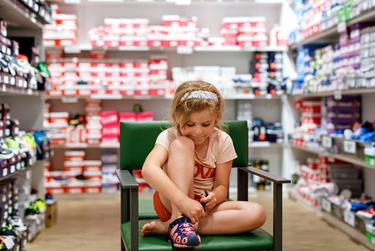
Quick Answer: The Annual Kids' Shoe Metric
On average, a school-aged child (ages 6 to 12) will go through 2 to 3 pairs of everyday sneakers per year. This rate is driven by two competing forces: developmental growth spurts (where school-aged feet grow a half to a full size every 5 to 6 months) and playground abrasion (which can destroy midsoles and tear uppers long before the child outgrows them). To ensure healthy foot development and avoid buying a new pair mid-semester under stress, the highly recommended setup is the "3-Shoe Rule": one durable daily classroom sneaker, one dedicated high-traction gym shoe, and one seasonal option (like waterproof boots or breathable sandals).
The Two Forces Destroying Kids' Shoes: Growth vs. Grind
For parents of school-aged kids, shopping for shoes feels like chasing a moving target. Just when you think you’ve invested in a durable pair that fits perfectly, your child either complains of pinching toes or brings home a sneaker with the toe bumper completely peeled away.
To plan your annual back-to-school budget, you have to understand that kids' shoes have two distinct expiration dates:
-
The Biological Expiration (Outgrowing): Between the ages of 6 and 10, a child's foot grows at a steady but unpredictable rhythm, typically jumping a half to a full size every 5 to 6 months. This means that even if a shoe is kept in pristine condition, it will be physically impossible for them to wear it comfortably for a full 365-day calendar year.
-
The Mechanical Expiration (Wearing Out): Active school kids subject their shoes to non-stop abrasion. Dragging toes on asphalt, climbing playground structures, and kicking soccer balls will wear down standard rubber soles and tear mesh uppers within 4 to 6 months of daily use.
Sizing and Growth Rate Breakdown by Age Group
To help you anticipate exactly when your child will need their next size upgrade, use this developmental tracking chart:

The "3-Shoe Rule": Maximizing Longevity Through Rotation
Many parents try to buy just one pair of "do-it-all" black or grey sneakers in August to last the entire year. However, wearing the same shoe every single day actually accelerates foam compression and traps moisture inside the materials, leading to early breakdown.
Implementing the 3-Shoe Rule distributes the physical load and extends the overall life of each shoe:
Shoe 1: The Everyday Classroom Workhorse
This is the default shoe worn 4 to 5 days a week. It should prioritize sturdy, easy-to-clean materials like leather or reinforced synthetic uppers (think the Nike Court Borough or Adidas VL Court) to handle hallway transitions and basic outdoor play.
Shoe 2: The High-Velocity Gym & Recess Sneaker
A flexible, highly cushioned athletic trainer (such as a New Balance Arishi or Skechers Adventure Track) reserved for PE class and high-impact sports. This keeps their everyday shoe from getting prematurely shredded on the gym floor or turf.
Shoe 3: The Seasonal Wildcard
A weather-appropriate shoe designed to give their sneakers a break. This includes breathable clogs (like Crocs) or sport sandals for warm august afternoons, transitioning to waterproof, insulated boots once winter slush and rain arrive.
Why Hand-Me-Downs Can Harm Developing Feet
It is highly tempting to pass down gently used sneakers from an older sibling to save money. However, podiatrists warn against this practice.
Every child has a unique gait pattern that permanently molds the shoe's internal foam bed and wears down the outer rubber sole unevenly. Forcing a younger child to wear a pre-molded shoe can artificially tilt their foot, leading to unnatural alignment, foot strain, and early blisters. Always opt for a fresh, neutral base when sizing up.
Actionable Diagnostic: The "Index-Squeeze" Growth Check
Because kids’ feet consist of highly pliable, developing cartilage, they often won't tell you when their shoes are too small because they simply don't feel the gradual compression. Perform this quick physical check every 60 days:
Have your child stand up completely straight with their full weight distributed evenly across both feet. Squeeze your thumb sideways across the front toe box of their shoes.
- The Verdict: You should easily feel a space about the width of your index finger (approximately half an inch) between the tip of their longest toe and the absolute front wall of the shoe. If their toe is pressed hard against the front material, or if you notice them curling their toes, the shoe's internal volume is spent. It is time to size up immediately to protect their natural bone alignment.
