
Tips & Tutorials
Women’s Winter Boots: Stylish & Functional Cold-Weather Footwear
NOV. 2, 2026
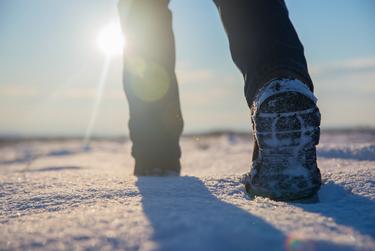
Quick Answer: The Cold-Weather Footwear Rule
Selecting the best women's winter boots requires balancing thermal insulation, moisture defense, outsole traction, and wardrobe versatility. When temperatures drop, wearing unlined or slick-soled footwear leads to cold feet, damp socks, and slipping hazards on snow or slush. For complete cold-weather comfort, prioritize footwear built with seam-sealed waterproof membranes, high-pile shearling or faux-fur linings, and deep-lug rubber outsoles. From cozy casual slip-ons and deep-snow stompers to chic, commute-ready booties, explore top-rated winter boots for the entire family in-store and online at Shoe Carnival.
The Anatomy of Winter Protection: Form Meets Cold-Weather Function
Stepping outside during the coldest months shouldn't mean sacrificing your personal style to keep your toes warm. Winter footwear must perform double duty: acting as an impermeable thermal barrier against freezing sidewalks while complementing your favorite seasonal layers, from puffer coats and oversized knits to fleece-lined leggings and dark-wash denim.
When cold wind and slush penetrate standard shoes, your body pulls circulation away from your extremities, leading to numb toes, muscle stiffness, and joint fatigue. Equipping your winter wardrobe with boots engineered specifically for cold-weather conditions ensures dependable grip on packed snow, cozy heat retention, and complete comfort through any forecast.
Winter Boot Categories: Choosing the Right Silhouette
-
Cozy Lifestyle Boots: Built with soft suede or synthetic uppers, moisture-wicking fleece, and plush shearling linings. These boots excel at casual outings, school drop-offs, and running errands when comfort and instant warmth are top priorities.
-
Heavy-Duty Snow Boots: Engineered for extreme winter weather, deep snowbanks, and freezing rain. Snow boots feature vulcanized rubber shell bottoms, waterproof treated uppers, thick thermal insulation (such as Thinsulate™), and deep lugged outsoles to prevent slips on packed ice.
-
Versatile Winter Booties: Low-profile ankle silhouettes crafted from weather-treated leather or suede. Offering a variety of stable block heels and sleek profiles, booties transition effortlessly from professional office settings to evening dinners without missing a step.
-
Urban Combat Boots: Providing structured ankle stability with aggressive lugged traction, combat boots add a bold edge to chunky knits while shielding feet from slush and puddle splashes.
Key Technical Qualities to Look for When Shopping
1. Thermal Insulation & Moisture-Wicking Linings
Warmth starts on the inside. Look for high-density faux-fur or synthetic micro-fleece linings. These materials trap body heat inside the boot while wicking away perspiration, keeping your feet dry and warm without overheating.
2. Water Resistance vs. Full Waterproofing
For damp pavement and light flurries, water-resistant treated suedes and synthetic leathers provide adequate everyday defense. However, if your climate involves heavy slush, standing freezing water, or deep snowdrifts, look for seam-sealed construction with a rubberized duck-boot shell to guarantee moisture stays out.
3. Deep-Tread Rubber Lug Outsoles
Smooth outsoles become slick hazards on frosty concrete. High-performance winter boots feature multi-directional rubber lugs and grooved tread patterns that bite into snow and channel melted slush away from underfoot.
Actionable Diagnostic: The "Flex & Thermal Collar" Check
Before heading outdoors into freezing weather with a new pair of winter boots, perform this quick physical evaluation:
Put on your new winter boots with the exact wool or thermal socks you plan to wear on cold days, lace or zip them securely, and take ten brisk steps down a hard floor.
-
The Thermal Collar Seal: Slide one finger around the top collar of the boot. The collar should sit snug against your calf or ankle without gapping open. If there is a wide gap, blowing wind and stray snow will fall directly into your boot lining.
-
The Forefoot Flex Test: Rise up onto your toes. The boot should flex smoothly across the ball of the foot without pinching the top of your toes or forcing your heel to lift out of the rear heel cup.
Women’s Winter Boots FAQs
-
Should I size up when buying women's winter boots? Yes, sizing up by a half or full size is often recommended if you plan to wear thick wool or thermal socks. Sizing up ensures that thicker socks do not squeeze your feet, which can restrict blood circulation and make your toes feel colder.
-
What is the difference between water-resistant and waterproof winter boots? Water-resistant boots are treated with a surface coating to shed light rain, flurries, and minor splashes. Waterproof boots feature an internal seam-sealed membrane or vulcanized rubber shell designed to keep feet completely dry even when submerged in standing slush or deep snowdrifts.
-
How do I prevent salt stains from ruining my winter boots? Wipe away road salt and slush promptly after coming indoors using a clean microfiber cloth dampened with a 50/50 mix of cool water and distilled white vinegar. Allow boots to air-dry away from direct heat sources to prevent the material from cracking.
-
Can combat boots be worn as winter boots? Yes! Combat boots featuring water-treated leather uppers and thick rubber lug soles are fantastic for winter city wear. Pair them with thermal crew socks or add an insulated fleece insole to boost underfoot warmth.