
Kids & Family Footwear
From the Classroom to the End Zone: The Ultimate Back-to-School Athlete Footwear Guide
JUL. 1, 2026
Quick Answer: The Triple-Threat Athletic Rotation
To set a student-athlete up for success this school year, parents must plan for three distinct footwear environments: classroom transit, physical education/running, and field performance. Relying on a single pair of sneakers for all three spaces leads to rapid shoe degradation, high blister rates, and compromised traction. For 2026, the optimized athletic rotation consists of: a high-rebound running shoe for gym class and conditioning, a sport-specific cleat built for turf or grass traction, and a plush, slip-on slide or clog for immediate post-practice muscle recovery. Find the complete lineup in-store or online at Shoe Carnival.
The Dynamic Schedule of the Student-Athlete
Being a student-athlete is a full-contact sport, even before the game clock starts. On any given day, your child’s feet will endure hard school hallways, synthetic gym floors, locker room moisture, and intense grass or turf friction.
When young athletes attempt to run track laps in flat lifestyle shoes, or walk all day in heavy cleats, they expose their developing bones to unnecessary strain. Establishing a smart, specialized shoe rotation doesn't just keep them stylish—it acts as vital insurance against repetitive-use injuries, helping them stay energized and injury-free from homeroom to the final whistle.
The Three Pillars of the Student-Athlete Rotation
1. High-Cushion Running Shoes: The Gym and Conditioning Standard
Whether they are running the mile in gym class, crushing track workouts, or logging warm-up laps before team practice, a premium running shoe is their primary shock absorber.
- The Tech to Look For: Choose lightweight running shoes from top brands like Nike, Adidas, or Under Armour. Look for responsive foam midsoles (such as Nike's React or Under Armour's Charged Cushioning) that disperse vertical pavement impact. Ensure the upper features a high-airflow engineered mesh to vent heat and keep feet dry through double-period gym classes.
2. Field-Ready Cleats: Turf and Grass Dominance
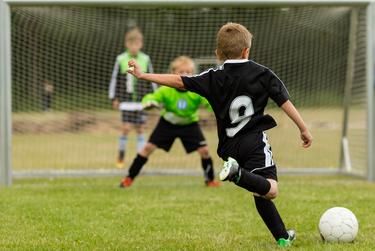
From youth soccer leagues to Friday night football and autumn baseball, performance on the field requires uncompromising traction.
- The Tech to Look For: Modern youth cleats feature molded synthetic uppers that lock the foot down over a rigid outsole plate. For soccer, choose low-profile cleats that allow a clean feel on the ball. For football or baseball, look for mid-to-high collar profiles that provide crucial ankle stabilization during sharp, lateral cuts. Always verify that the cleat configuration aligns with your local league's safety regulations (e.g., molded rubber versus metal studs).
3. Post-Practice Recovery Slides: Easy Hallway and Locker Room Transitions
The most critical transition of the day happens the moment the final whistle blows. Trapping sweaty feet inside damp cleats or running shoes after intense physical activity is a primary cause of friction blisters and athlete's foot.
- The Tech to Look For: Post-practice slides—such as Nike slides, Under Armour slides, or Crocs clogs—are a student-athlete's best friend. These designs offer thick, contoured foam footbeds that allow the foot muscles to splay and recover on the ride home. Crucially, they are effortless to slide on and off, letting tired feet breathe while acting as a protective barrier on slick locker room tile.
Actionable Diagnostic: The "Double-Sock" Cleat Check
Cleats are built over a narrower, more rigid mold than standard running shoes. Sizing them incorrectly is the number-one cause of early-season heel blisters. Perform this fit check before their first practice:
Have your child put on the thick athletic socks or shin-guard sleeves they actually wear during games. Slide their foot into the cleat and lace it up completely.
- The Verdict: Ask your child to stand flat and execute five quick, lateral side-steps. Squeeze the sides of their forefoot. If their pinky toe is bulging hard over the edge of the outsole plate, or if their toes are curled against the front wall, size up a half-size or look for a designated wide-width cleat. A perfect fit should feel snug and secure through the midfoot to prevent slipping, while leaving just enough wiggle room at the toes to handle sudden stops.
Student-Athlete Footwear FAQs
Can my child wear their running shoes as their everyday school shoes? While it is physically possible, it is not recommended for maximum longevity. Running shoes utilize softer, high-rebound foams designed specifically for forward linear motion. Wearing them all day on rough playground asphalt or dragging toes during recess will rapidly abrade the outsole and compress the foam. Keeping a dedicated pair of casual sneakers for the classroom and reserving their running shoes for gym class and athletic conditioning is the most cost-effective approach.
Should I buy cleats a size larger to account for thick athletic socks? Generally, no. You should buy cleats in their true size, but you must perform the fitting check while they are wearing their actual game-day socks (and shin guards, if applicable). Modern cleats are engineered to fit snugly to prevent foot sliding during high-speed lateral cuts. Buying a cleat that is too large allows the heel to lift, which is the primary cause of painful, deep heel blisters on the field.
Why are post-practice slides so important for young athletes? After running in tight, synthetic cleats for hours, feet naturally swell and sweat. Keeping feet trapped in that damp, compressed environment on the ride home breeds bacteria and creates friction. Slipping into breathable, contoured slides or Crocs immediately after a game allows the foot muscles to splay, dries out the feet, and acts as a sanitary barrier on slick locker room floors.
What is the difference between soccer, football, and baseball cleats? Each cleat is designed for specific field dynamics. Soccer cleats are low-profile, lightweight, and completely flat across the toe (under-toe studs are banned in soccer for safety). Football cleats offer higher ankle collars for lateral support and often feature a front toe stud for dig-in acceleration. Baseball cleats feature unique stud patterns (often metal for older leagues, molded plastic for youth) designed specifically for dirt and turf baselines. Always check your local league's handbook before purchasing.