
Boots & Workwear
Skechers Work Shoes Guide: Best Fits for Every Industry
JUN. 1, 2026
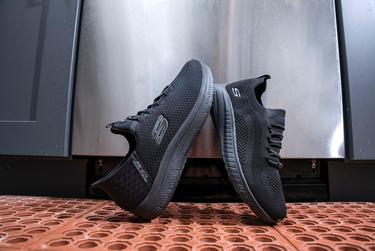
Quick Answer: The Shift-Proof Footwear Choice
Choosing the right Skechers Work footwear requires matching the specific environmental hazards of your daily occupation to verified structural safety standards. Skechers designs vocational shoes across distinct functional categories: Slip-Resistant (SR) outsoles for culinary and medical spaces, certified Electrical Hazard (EH) isolation for industrial trades, and specialized Comfort Technology lines like Memory Foam and Max Cushioning for professionals spending over 10 hours on hard concrete floors. To ensure immediate on-the-job protection, explore the robust inventory available in the Shoe Carnival Skechers Work Collection.
The Occupational Stress of Standing Shifts
Whether you are rushing across a slick commercial kitchen, standing over a hard manufacturing assembly line, or walking miles of concrete hospital corridors, your feet act as the shock absorbers for your entire body. Wearing standard casual or athletic sneakers to an intense physical job site is a primary cause of lower back pain, knee strain, and chronic foot fatigue.
Skechers Work models shift the focus from simple athletic leisure to heavy-duty occupational utility. By integrating advanced footwear engineering into occupational silhouettes, these shoes absorb continuous floor vibrations and lock the foot into a stable, slip-free platform, helping you wrap up long shifts with minimal physical wear and tear.
Categorizing Skechers Work Tech by Industry Sector
1. Culinary and Hospitality: The Non-Slip Standard
In commercial kitchens, bakeries, and restaurant floors, smooth grease and spilled water turn tile floors into immediate safety hazards.
- The Industry Tech: Skechers Work culinary shoes are built around industry-leading Slip-Resistant (SR) rubber outsoles tested to meet or exceed rigorous traction standards. These dense treads feature tightly spaced patterns that channel fluids away from the sole, ensuring edge-to-edge floor contact. Smooth, fluid-resistant leather or synthetic uppers allow you to easily wipe away kitchen spills, keeping your feet dry and protected through frantic dinner rushes.
2. Healthcare and Medical: The High-Mileage Cushion
Nurses, tech specialists, and medical professionals routinely register over 10,000 steps per shift on unyielding hospital linoleum.
- The Industry Tech: To combat the constant shock of heavy heel strikes, Skechers infuses its premium comfort platforms directly into the work line. Models equipped with Air-Cooled Memory Foam® insoles or maximalist thick foam cushioning systems mold dynamically to your foot shape, providing custom arch integration and reducing localized pressure points. Stain-resistant fabrics and breathable mesh panels prevent heat splay, keeping your feet cool during long emergencies and back-to-back rounds.
3. Warehousing and Light Industrial: The Electrical and Toe Shield
For logistics coordinators, fulfillment workers, and manufacturing tradespeople, safety concerns shift toward heavy equipment and electrical infrastructure.
- The Industry Tech: Skechers Work industrial models are fully optimized for occupational hazards. Look for models featuring certified Electrical Hazard (EH) protection, constructed with specialized insulated outsoles capable of disrupting accidental electrical currents. When workplace dress codes demand impact defense, Skechers incorporates lightweight, ASTM-compliant safety toe caps (forged from composite or steel) to guard against falling tools or heavy pallets without turning the shoe into a heavy anchor.
Actionable Diagnostic: The "Flex-Grip" Wear Inspection
Occupational slip-resistant outsoles work under massive amounts of daily friction and will eventually wear thin. Perform this quick visual and tactile check every month to guarantee your shoes are still offering legal protection:
Clean the bottom of your shoe thoroughly to remove trapped debris. Hold the shoe inverted and run your thumb firmly across the slip-resistant tread blocks, attempting to slightly flex the rubber patterns.
- The Verdict: The specialized rubber compound on an active Skechers Work shoe should feel slightly tacky and pliable under pressure, indicating it can still grip smooth, wet surfaces. If the rubber feels slick and completely rigid, or if the tread blocks in high-contact areas (the heel and the ball of the foot) have worn down flush with the rest of the sole, the shoe has lost its safety rating. Replace them immediately to maintain proper workplace accident protection.
