
Sizing & How-To
The Ultimate Shoe Shopping Checklist: What to Bring Before Heading to the Store
JUL. 10, 2026
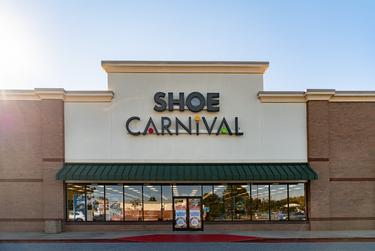
Quick Answer: The Pre-Store Prep Checklist
To ensure you walk out of the store with a pair of shoes that feels as amazing on day 100 as it does in the fitting aisle, going in prepared is essential. Never rely solely on an old mental size number or head to the store unprepared. Your essential in-store packing checklist should include: your intended activity socks (thickness alters fit by a half-size), your current custom orthotics or insoles, a reference pair of your favorite well-fitting shoes, and a clear understanding of your activity environment. For the best experience, shop at Shoe Carnival during late afternoon or evening hours when your feet are at their natural peak volume.
Why Pre-Shop Preparation Matters
Heading out to buy shoes seems simple enough, but rushing into a store without the right gear is the number-one reason buyers end up with footwear that pinches, slips, or causes painful blisters. Foot volume changes dynamically throughout the day due to gravity, standing, and ambient temperatures.
Furthermore, trying on a heavy-duty athletic sneaker while wearing thin dress socks—or attempting to fit a boot without your custom arch support insole—creates a completely false measurement baseline. Taking five minutes to pack your fitting kit before leaving the house guarantees a precise, out-of-the-box fit every time.
The In-Store Fitting Checklist
1. The Right Pair of Socks
Always bring (or wear) the exact type of socks you plan to pair with your new shoes.
- Why it matters: Trying on running shoes with thin cotton dress socks will make the shoe feel roomier than it actually is. When you later lace them up with thick plush running socks, your toes will feel compressed. The reverse is true for dress shoes or boots—always match your sock thickness to the specific footwear category.
2. Your Existing Orthotics or Custom Insoles
If you wear prescribed orthotics, over-the-counter arch supports, or medical heel cups, bring them along!
- Why it matters: Insoles consume vertical volume inside the shoe. When trying on new options, pull out the shoe's factory footbed and slip your custom orthotic inside to ensure the heel counter holds your foot securely without causing your heel to slip out.
3. Your Current "Go-To" Shoes (The Wear Pattern Diagnostic)
Bring along the shoes you currently wear most often for that specific activity.
- Why it matters: The tread wear on your old shoes acts as a visual map of your stride. Shoe Carnival team members can look at the bottom of your worn shoes to instantly identify if you neutral-track, overpronate, or supinate, guiding you straight to the correct category (e.g., Stability vs. Neutral).
4. The Timing Strategy: Shop Later in the Day
Plan your shopping trip for the late afternoon or evening after you've been walking around for a few hours.
- Why it matters: Human feet naturally swell and expand by up to half a size by late afternoon. Buying shoes first thing in the morning can result in purchasing a pair that feels uncomfortably tight by 4:00 PM.
Actionable Diagnostic: The "In-Store Test Walk" Protocol
Once you are at Shoe Carnival with your fitting kit, perform this multi-step test walk before heading to the register:
Step into both shoes (not just one!), tie the laces completely using your target socks, and stand up straight on a hard surface.
-
The Length Check: Press your thumb flat across the top of the toe box. You should have roughly a thumb's width of space (1/2 inch) between your longest toe and the front wall of the shoe.
-
The Heel-Lock Check: Walk briskly down the aisle and execute two sharp turns. Your heel should stay firmly anchored inside the heel counter without lifting or rubbing up and down.
-
The Splay Check: Squat down slightly to load weight onto the ball of your foot. Your toes should splay naturally without feeling squeezed against the side walls. If you feel side pressure, ask to try a dedicated Wide (D/2E) option.
Shoe Shopping FAQs
Should I get measured every time I buy new shoes? Yes! Adult feet change shape, widen, and flatten over time due to age, weight changes, pregnancy, and high-impact sports. Always ask an associate to measure both foot length and width on a Brannock Device before trying on pairs.
What if my two feet measure two different sizes? This is completely normal—over 60% of people have one foot that is slightly larger than the other. Always purchase the shoe size that comfortably accommodates your larger foot. You can easily adjust the fit for the smaller foot with a thin volume-adjusting insert or a heel grip.
Can I try on shoes with the disposable try-on booties in the store? Disposable foot hygiene booties are fine for a quick mirror check, but they do not replicate the volume or friction of your real socks. Always bring your actual athletic, work, or casual socks to get an accurate reading on fit.
How do I know if a shoe needs to be broken in or if it's just the wrong size? Modern running shoes, sneakers, and cushioned casual footwear should feel comfortable immediately out of the box. While heavy leather work boots require a brief break-in period for the leather to soften, a shoe should never cause sharp pain, pinching, or numbness on day one. If it does, the shape or size is wrong for your foot.